
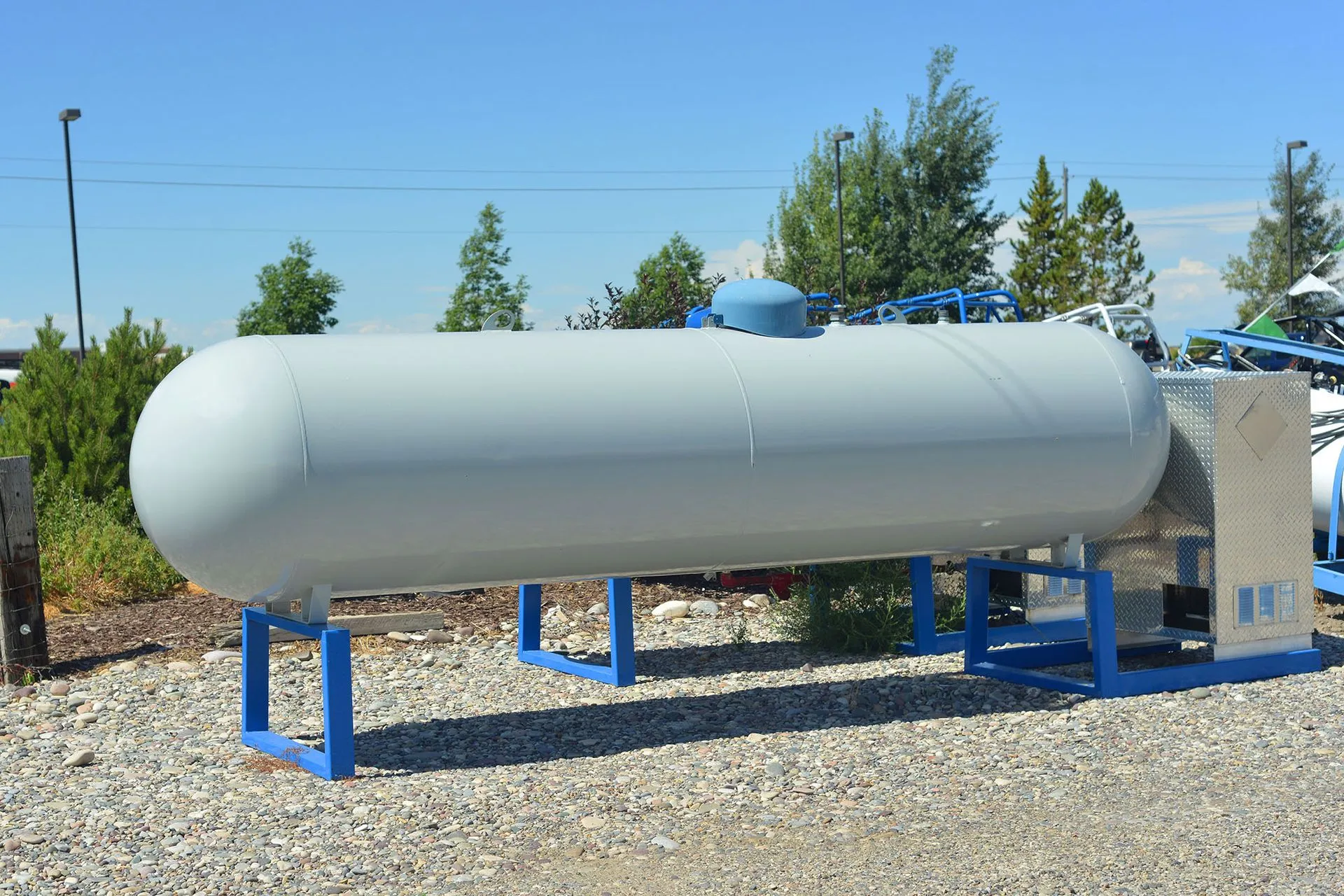
Propane Safety Tips
Safety information, emergency steps, and system guidance for propane customers across south central Missouri.
Key Safety Points
Proper Storage
Always store tanks upright in a ventilated outdoor area away from heat sources.
Leak Detection
Know the smell. Propane has an added odorant. If detected, evacuate and call 911.
Safe Lighting
Follow appliance manufacturer instructions when lighting pilots or burners.
Emergency Shutoff
Know where your main shutoff valve is and how to operate it safely.
Recognizing a Propane Leak
Propane has a distinctive odor — often described as rotten eggs or a skunk-like smell — added specifically to help you detect leaks. If you suspect a leak, leave the area immediately.
Do not attempt to locate the source of a leak yourself. Our emergency response team is available 24/7.
Safety by Property Type
Safety Tips for Homeowners
Know where your tank, shutoff valve, and appliances are, and keep access to them clear year-round.
- Keep the area around your tank clear of combustible materials
- Check that snow, ice, and debris aren't blocking valves or regulators
- Watch for changes in flame color, appliance behavior, or fuel use
- Follow manufacturer instructions for every propane appliance
- Keep children and visitors away from tanks and equipment
Safety Tips for Businesses
Commercial propane systems require more frequent inspections due to higher usage volumes. Ensure all staff are trained in emergency shutdown procedures and that emergency numbers are posted visibly.
- Keep delivery and service access clear at all times
- Assign someone responsible for knowing the shutoff valve location
- Have systems checked before periods of increased demand
- Log any change in appliance behavior and report it early
- Never allow untrained staff to adjust propane equipment
Farm & Agricultural Safety
Farm systems often run seasonally across multiple structures, which makes scheduled checks especially important.
- Inspect tanks and lines for damage, corrosion, or wear
- Check systems before restarting after an idle season
- Protect tanks from vehicle and equipment contact
- Keep tanks accessible for delivery in all weather
- Use only qualified technicians for repairs or relocation
FAQs
Common Questions
Propane is naturally odorless. An odorant called ethyl mercaptan — which smells like rotten eggs or a skunk — is added to help detect leaks. If you smell this odor, evacuate immediately and call 911 from outside your home.
We recommend a professional inspection at least once per year for residential systems, and more frequently for commercial operations. Inspections cover all connections, regulators, hoses, and appliances.
If your tank runs out, do not attempt to relight appliances yourself. Call us to schedule a delivery and re-lighting service. Running out of gas can allow air and moisture into the system, which requires a pressure test before relighting.
No. Propane tanks should always be stored outdoors in an upright position. Never store tanks indoors, in garages, or in any enclosed space — even when tanks appear to be empty.
Most tank gauges show the percentage of propane remaining, not gallons. A reading of 20% or below means it’s time to schedule a delivery. We recommend calling when you reach 25% to ensure timely service.
GET IN TOUCH
Have a Safety Question? Reach Out.
Our team is happy to answer any propane safety questions.
Ready to Get Started?
Contact us today for a free quote or to schedule service.